Here you will find the latest information, exciting events and interesting articles about our company, our team and the world of IT security. Stay up to date on all developments and innovations at SECUINFRA and discover what moves and drives us.
What happens if attackers are already exploiting vulnerabilities while the patch is still being prepared for release internally? Artificial intelligence exacerbates this very imbalance—and makes speed a critical factor in cyber resilience.
What good is a passed audit if, during a cyberattack, the critical logs are missing and the emergency contact number goes unanswered? For financial institutions, moments like these determine whether payment transactions, customer services, and trading processes are effectively protected.
What do people who protect companies from cyberattacks every day need? A work environment that supports them, fosters their growth, and strengthens collaboration. That’s what we’re committed to. We are therefore all the more delighted to have been recognized as one of Berlin’s Best Employers of 2026 in the study “Berlin’s Best: Employers and Training Companies 2026.”
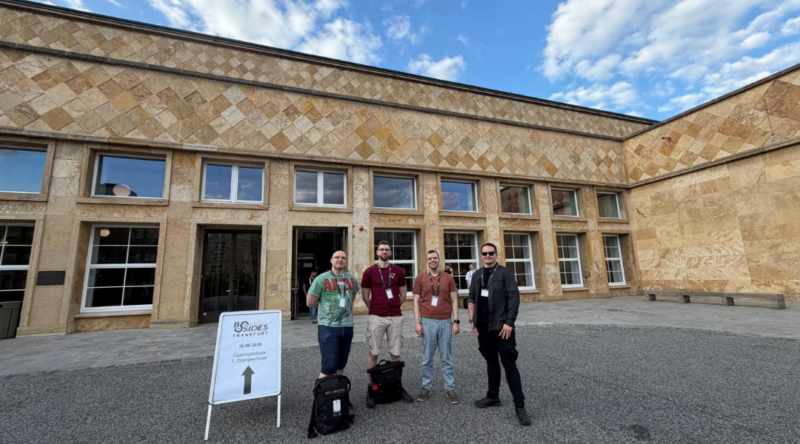
How do you uncover a cyberespionage attack that begins with a single phishing email? At BSides Frankfurt 2026, we addressed this question in a hands-on session with 25 participants. On September 10 and 11, the community conference at Goethe University Frankfurt brought security experts together to share knowledge. We were there with a fully booked workshop led by our DFIR specialist, Marius Genheimer.
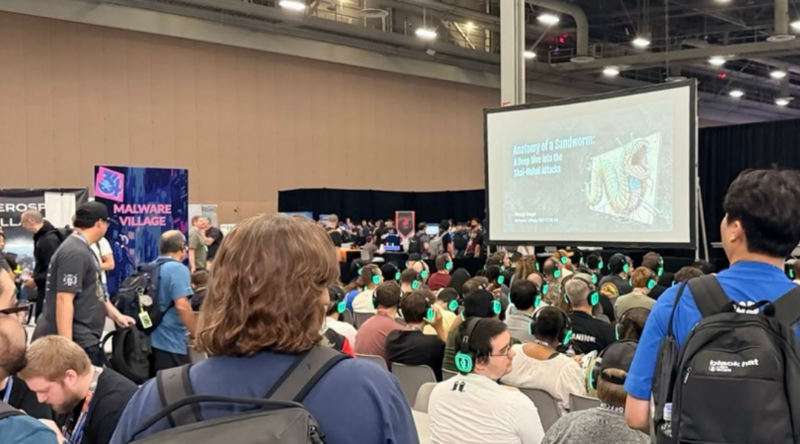
DEF CON is one of the world’s most important gathering places for the international hacker and cybersecurity community. We are therefore all the more pleased that SECUINFRA was represented at Malware Village with its own cyber defense expertise. Our presentation focused on a challenge that is becoming increasingly important due to the growing use of artificial intelligence in cyber defense: How can AI-supported analysis processes be designed so that even deliberately manipulated documents cannot take control of the triage process?
Identities open doors. Cyber defense determines who gets through.
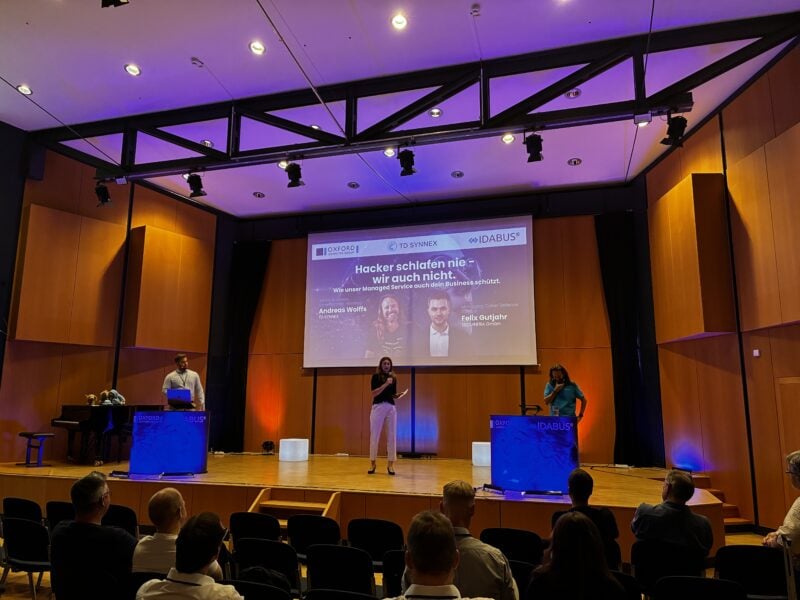
It was at this juncture that things got particularly exciting for us at the Oxford Computer Group’s 17th Security & Efficiency Summit in Erding.
For Felix Gutjahr and Tim Suschinski, it was their first time attending—along with Andreas Wolffs from TD SYNNEX. Two days focused on identity, security, and efficiency impressively demonstrated what happens when technological expertise meets trusting partnerships and open professional exchange.
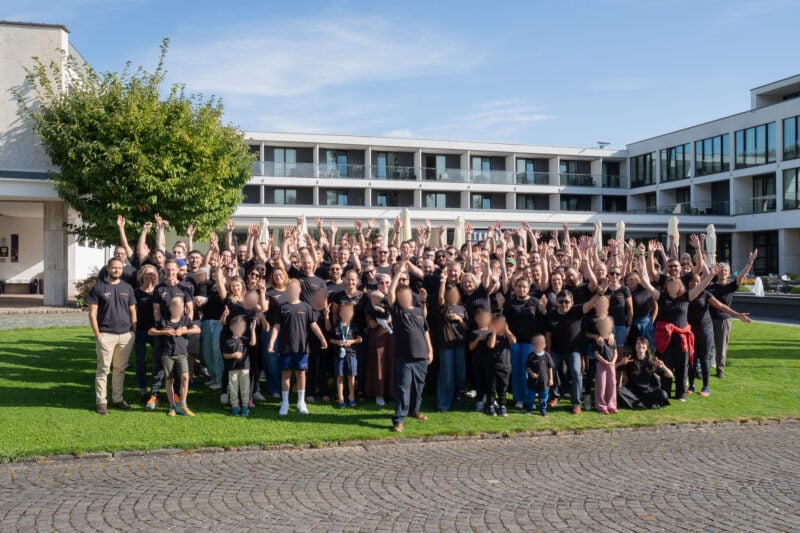
What’s left after swapping the workplace for Bergpark, team challenges, and new perspectives for four days? One thing above all: plenty of energy, shared memories, and the satisfying feeling of having grown even closer as a team.
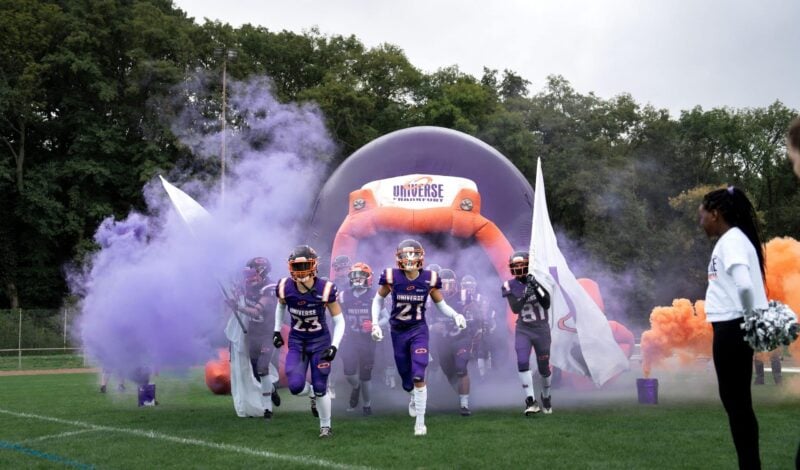
Shared values, long-term commitment, and supporting the next generation: We support AFC Universe Frankfurt e. V., thereby demonstrating our commitment to team spirit and social responsibility.
What happens when, of all things, the systems that must never fail actually do fail? Cyberattacks on hospitals vividly illustrate the consequences of critical IT infrastructure being compromised. The lessons learned from these incidents are also highly relevant for banks.
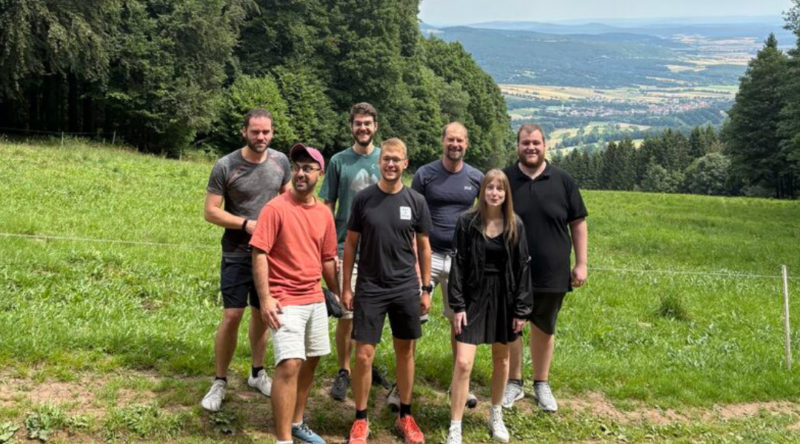
How do you build a stronger team whose day-to-day work is characterized by a fast-paced environment, complex challenges, and significant responsibility? Sometimes the answer is quite simple: by creating space for genuine connections. That was exactly the idea behind our weekend together in the Rhön.
Welcoming new colleagues, getting to know each other personally, and spending a special evening together: At our onboarding barbecue event on the rooftop terrace of our company apartment in Frankfurt, one thing took center stage above all else—togetherness.
Generative AI not only opens up new possibilities for businesses—it’s also changing the tactics of cybercriminals. Realistic-sounding voices, manipulated videos, and highly personalized messages are making social engineering attacks increasingly difficult to detect.